

What if God was your therapist

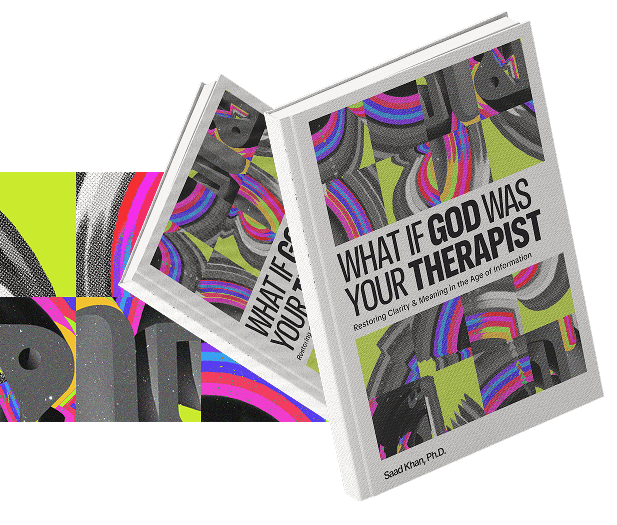
What if God was your therapist

Human emotions are the fuel behind life decisions, success, and healthy relationships, and the Qur’an names them, explains them, and shows exactly how they can transform your life.

Human emotions are the fuel behind life decisions, success, and healthy relationships, and the Qur’an names them, explains them, and shows exactly how they can transform your life.

Support the Muslim Mental Health Research

Support the Muslim Mental Health Research

Support the Muslim Mental Health Research

Every emotion is a divine signal pointing you toward healing.

Every emotion is a divine signal pointing you toward healing.

Every emotion is a divine signal pointing you toward healing.

WIGWYT research data showed, high-vibration embodied emotions, such as love and joy, appear nearly twice as often in the Quran when compared to low-vibration states like fear, sadness, and anger.  Every emotion is a force. The Qur’an reveals that force, directs it, and transforms the way you love, decide, and live.

WIGWYT research data showed, high-vibration embodied emotions, such as love and joy, appear nearly twice as often in the Quran when compared to low-vibration states like fear, sadness, and anger.  Every emotion is a force. The Qur’an reveals that force, directs it, and transforms the way you love, decide, and live.

See the Research Behind the Book

See the Research Behind the Book

See the Research Behind the Book

Step 1

Selection Process

Dr. Parrott offers a framework of human emotions that mirrors human experience. Six primary emotions at the root level are love, joy, surprise, anger, sadness, and fear that dictate human decisions.


These are foundational emotions linked to core human needs and often operate in the background. From them grew secondary emotions such as affection, frustration, and anxiety. They are often 53 expressed and are tangible to be labeled. And from there, tertiary emotions arise, which are socially shaped, highly contextual feelings that fill everyday life: jealousy, admiration, and more. 

This model helped WIGWYT research to recognize that emotions ripple into one another like waves of the same ocean. This was a map of human behavior. When the Quran mentioned a feeling like fear or hope, it was traced through Parrott's hierarchy to understand both its depth and its relational meaning.


Step 1

Selection Process

Dr. Parrott offers a framework of human emotions that mirrors human experience. Six primary emotions at the root level are love, joy, surprise, anger, sadness, and fear that dictate human decisions.


These are foundational emotions linked to core human needs and often operate in the background. From them grew secondary emotions such as affection, frustration, and anxiety. They are often 53 expressed and are tangible to be labeled. And from there, tertiary emotions arise, which are socially shaped, highly contextual feelings that fill everyday life: jealousy, admiration, and more. 

This model helped WIGWYT research to recognize that emotions ripple into one another like waves of the same ocean. This was a map of human behavior. When the Quran mentioned a feeling like fear or hope, it was traced through Parrott's hierarchy to understand both its depth and its relational meaning.


Step 2

Search Process

Step 2

Search Process

Step 3

Mapping Process

Step 3

Mapping Process

chapters

chapters

Why Now?

Millions suffer in silence due to inaccessibility of faith-aligned therapists or even therapy, as this book offers the practices, and emotional tools every individual deserves.


In an age of misinformation, cognitive overload, and collapsing emotional resilience, we need grounded belief and emotional clarity to protect the human mind and this book gives you both.

Millions suffer in silence due to inaccessibility of faith-aligned therapists or even therapy, as this book offers the practices, and emotional tools every individual deserves.


In an age of misinformation, cognitive overload, and collapsing emotional resilience, we need grounded belief and emotional clarity to protect the human mind and this book gives you both.

Get your copy Now

When This Book Helps Most

This book becomes your guide during emotionally heavy seasons of life  or when you simply want to skyrocket your growth:

This book becomes your guide during emotionally heavy seasons of life  or when you simply want to skyrocket your growth:

When you feel disconnected from yourself, others, or God

When you feel disconnected from yourself, others, or God

When marriages feel stretched by stress or silence

When marriages feel stretched by stress or silence

When raising children in uncertain, rapidly shifting times

When raising children in uncertain, rapidly shifting times

When teenagers struggle with faith, identity, or belonging

When teenagers struggle with faith, identity, or belonging

When you feel tired, tested, or ready to give up

When you feel tired, tested, or ready to give up

When anger, sadness, fear, or confusion overwhelm you

When anger, sadness, fear, or confusion overwhelm you

When caring for aging parents

When caring for aging parents

When grief or loss arrives without warning
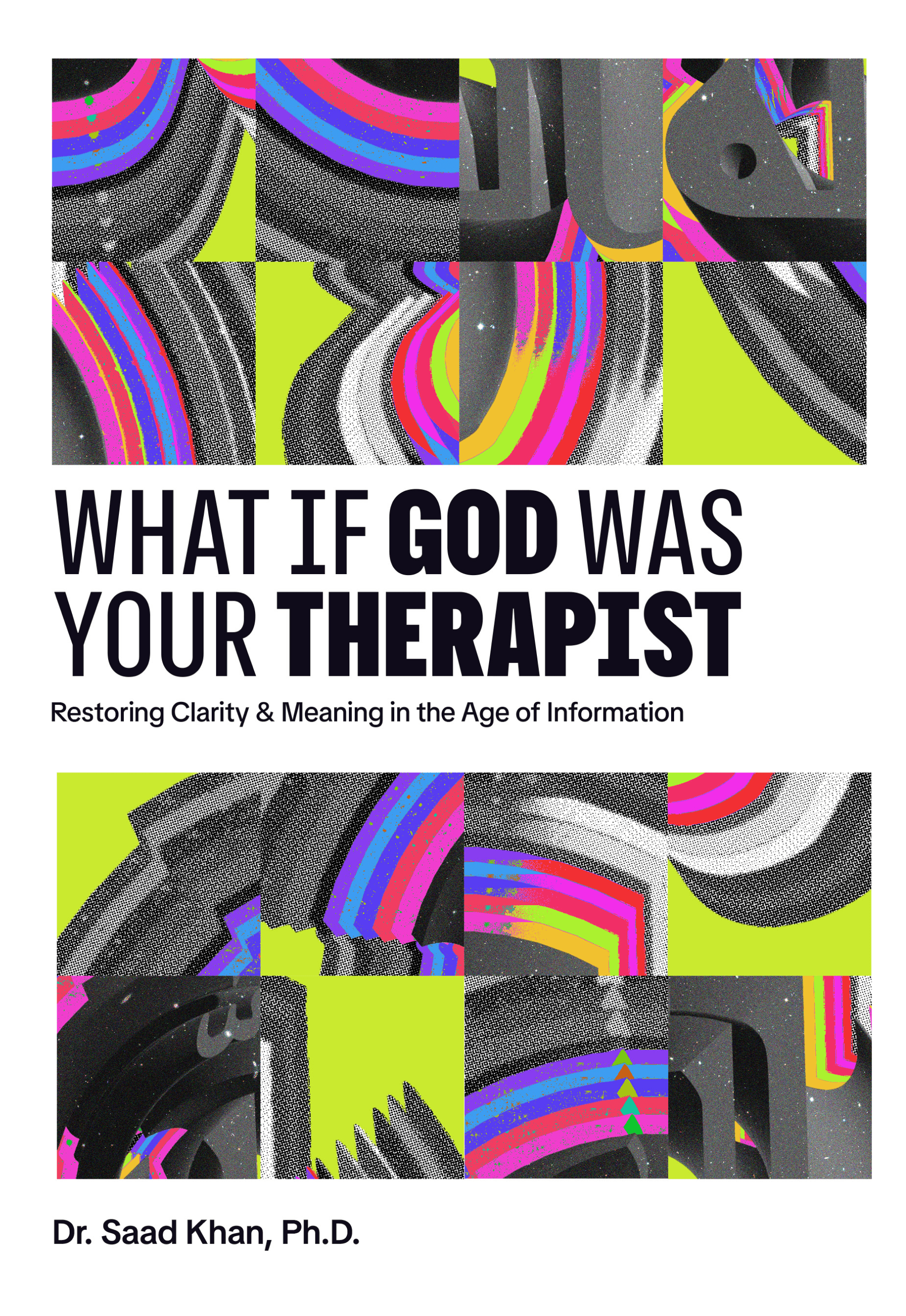
QURANIC FINDINGS ON HUMAN EMOTIONS

QURANIC FINDINGS ON HUMAN EMOTIONS

QURANIC FINDINGS ON HUMAN EMOTIONS

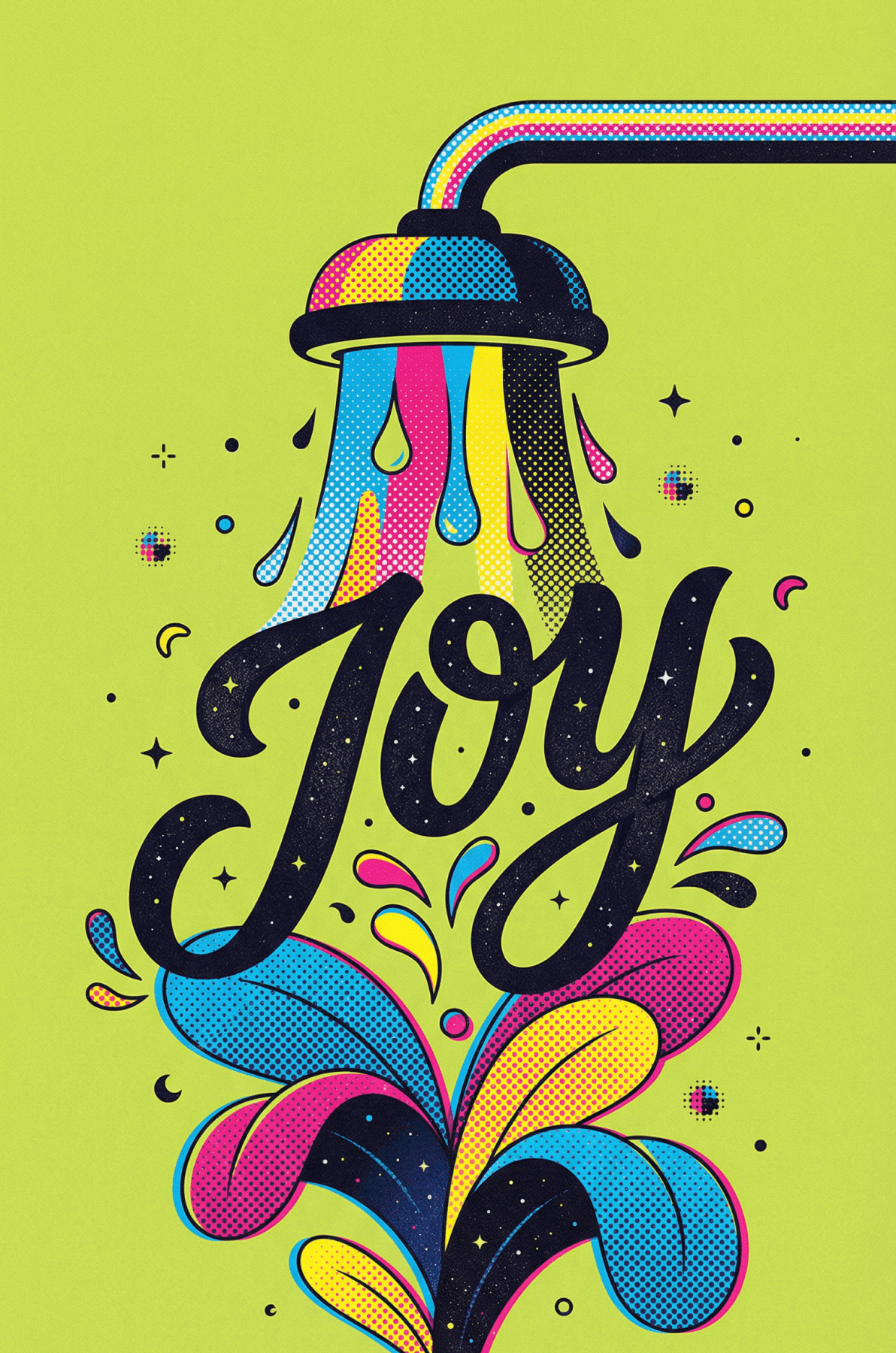
On Joy

On Joy

Traditional psychotherapy often begins with a dysfunction-based model (pathology/limiting), assuming psychological trauma as the primary lens, and these approaches are helpful in identification of previous emotional traumas and improved self-awareness. Yet it frequently leaves individuals feeling self-focused, and isolated, trapped in individualism rather than feeling connected with the community. Despite unprecedented access to self-help content, and psychological knowledge, the world is experiencing more anxiety, depression, loneliness, and emotional fragmentation than ever before.

The most powerful missing element in modern mental health models is integration of belief. The understanding that faith, meaning, and purpose are active forces that shape character, regulate behavior, and heal the inner world. This gap is precisely why this method was created. Rooted in extensive Qur’anic research and supported by scientific principles such as reciprocal determinism (embodied action directly influences thoughts, emotional states, and even nervous system regulation). This approach does not pathologize emotions or label the human experience; instead, it treats every emotion as guidance.

You don't need endless analysis, the Qur’an calls for lived alignment where actions reshape perception, emotions soften up, and the self heals in connection with others. This work is therefore not individual repair but collective growth. 

And uniquely, it offers a dual benefit: personal emotional healing in this life, and lasting spiritual elevation by engaging deeply with Qur’anic learning. Making healing not only effective, but meaningful at personal and communal level.


Read More
On Sadness

On Sadness

Traditional psychotherapy often begins with a dysfunction-based model (pathology/limiting), assuming psychological trauma as the primary lens, and these approaches are helpful in identification of previous emotional traumas and improved self-awareness. Yet it frequently leaves individuals feeling self-focused, and isolated, trapped in individualism rather than feeling connected with the community. Despite unprecedented access to self-help content, and psychological knowledge, the world is experiencing more anxiety, depression, loneliness, and emotional fragmentation than ever before.

The most powerful missing element in modern mental health models is integration of belief. The understanding that faith, meaning, and purpose are active forces that shape character, regulate behavior, and heal the inner world. This gap is precisely why this method was created. Rooted in extensive Qur’anic research and supported by scientific principles such as reciprocal determinism (embodied action directly influences thoughts, emotional states, and even nervous system regulation). This approach does not pathologize emotions or label the human experience; instead, it treats every emotion as guidance.

You don't need endless analysis, the Qur’an calls for lived alignment where actions reshape perception, emotions soften up, and the self heals in connection with others. This work is therefore not individual repair but collective growth. 

And uniquely, it offers a dual benefit: personal emotional healing in this life, and lasting spiritual elevation by engaging deeply with Qur’anic learning. Making healing not only effective, but meaningful at personal and communal level.


Read More

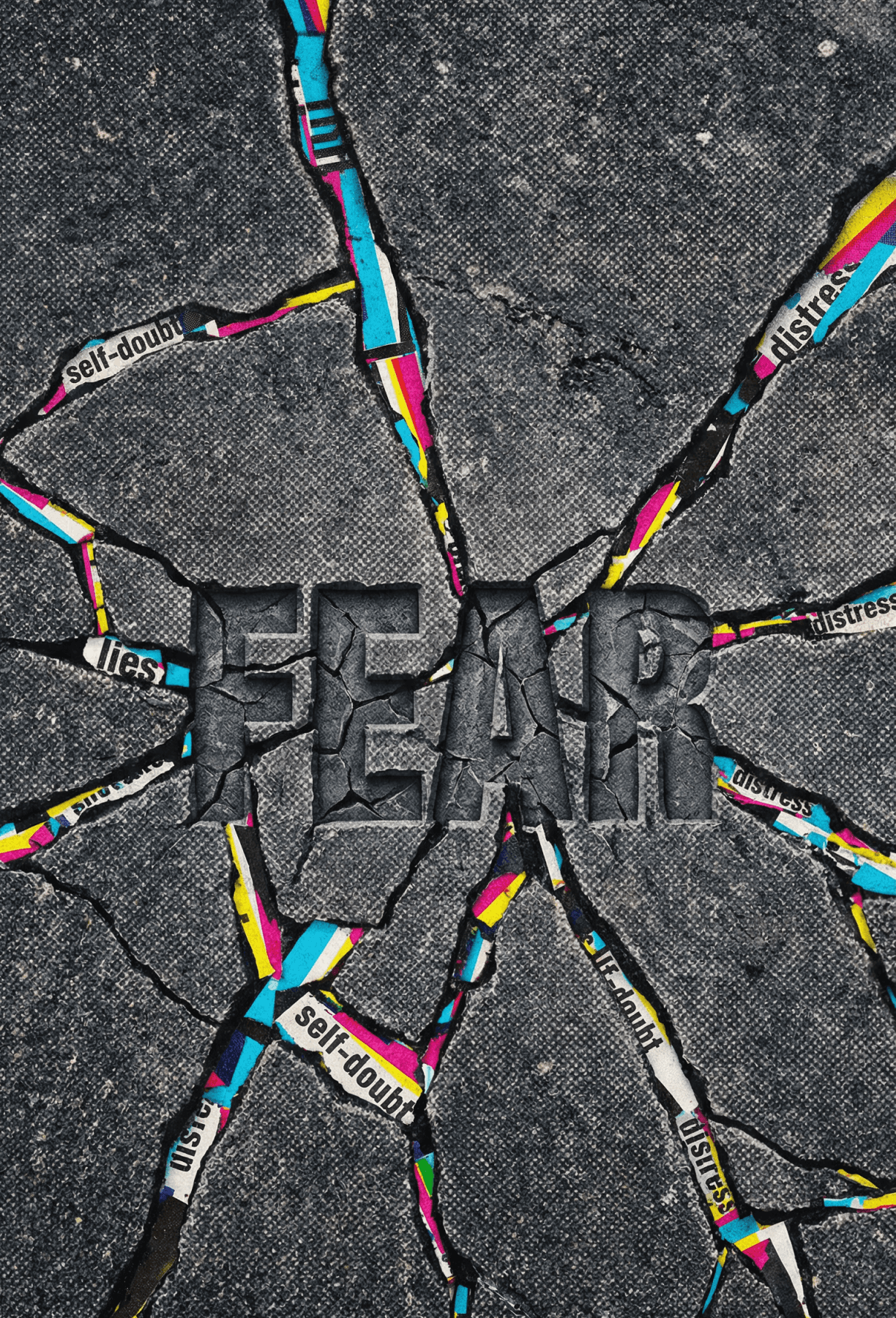
On Fear

On Fear

Traditional psychotherapy often begins with a dysfunction-based model (pathology/limiting), assuming psychological trauma as the primary lens, and these approaches are helpful in identification of previous emotional traumas and improved self-awareness. Yet it frequently leaves individuals feeling self-focused, and isolated, trapped in individualism rather than feeling connected with the community. Despite unprecedented access to self-help content, and psychological knowledge, the world is experiencing more anxiety, depression, loneliness, and emotional fragmentation than ever before.

The most powerful missing element in modern mental health models is integration of belief. The understanding that faith, meaning, and purpose are active forces that shape character, regulate behavior, and heal the inner world. This gap is precisely why this method was created. Rooted in extensive Qur’anic research and supported by scientific principles such as reciprocal determinism (embodied action directly influences thoughts, emotional states, and even nervous system regulation). This approach does not pathologize emotions or label the human experience; instead, it treats every emotion as guidance.

You don't need endless analysis, the Qur’an calls for lived alignment where actions reshape perception, emotions soften up, and the self heals in connection with others. This work is therefore not individual repair but collective growth. 

And uniquely, it offers a dual benefit: personal emotional healing in this life, and lasting spiritual elevation by engaging deeply with Qur’anic learning. Making healing not only effective, but meaningful at personal and communal level.


Read More

On Love

On Love

Traditional psychotherapy often begins with a dysfunction-based model (pathology/limiting), assuming psychological trauma as the primary lens, and these approaches are helpful in identification of previous emotional traumas and improved self-awareness. Yet it frequently leaves individuals feeling self-focused, and isolated, trapped in individualism rather than feeling connected with the community. Despite unprecedented access to self-help content, and psychological knowledge, the world is experiencing more anxiety, depression, loneliness, and emotional fragmentation than ever before.

The most powerful missing element in modern mental health models is integration of belief. The understanding that faith, meaning, and purpose are active forces that shape character, regulate behavior, and heal the inner world. This gap is precisely why this method was created. Rooted in extensive Qur’anic research and supported by scientific principles such as reciprocal determinism (embodied action directly influences thoughts, emotional states, and even nervous system regulation). This approach does not pathologize emotions or label the human experience; instead, it treats every emotion as guidance.

You don't need endless analysis, the Qur’an calls for lived alignment where actions reshape perception, emotions soften up, and the self heals in connection with others. This work is therefore not individual repair but collective growth. 

And uniquely, it offers a dual benefit: personal emotional healing in this life, and lasting spiritual elevation by engaging deeply with Qur’anic learning. Making healing not only effective, but meaningful at personal and communal level.


Read More

On Surprise

On Surprise

Traditional psychotherapy often begins with a dysfunction-based model (pathology/limiting), assuming psychological trauma as the primary lens, and these approaches are helpful in identification of previous emotional traumas and improved self-awareness. Yet it frequently leaves individuals feeling self-focused, and isolated, trapped in individualism rather than feeling connected with the community. Despite unprecedented access to self-help content, and psychological knowledge, the world is experiencing more anxiety, depression, loneliness, and emotional fragmentation than ever before.

The most powerful missing element in modern mental health models is integration of belief. The understanding that faith, meaning, and purpose are active forces that shape character, regulate behavior, and heal the inner world. This gap is precisely why this method was created. Rooted in extensive Qur’anic research and supported by scientific principles such as reciprocal determinism (embodied action directly influences thoughts, emotional states, and even nervous system regulation). This approach does not pathologize emotions or label the human experience; instead, it treats every emotion as guidance.

You don't need endless analysis, the Qur’an calls for lived alignment where actions reshape perception, emotions soften up, and the self heals in connection with others. This work is therefore not individual repair but collective growth. 

And uniquely, it offers a dual benefit: personal emotional healing in this life, and lasting spiritual elevation by engaging deeply with Qur’anic learning. Making healing not only effective, but meaningful at personal and communal level.


Read More

On Anger

On Anger

Traditional psychotherapy often begins with a dysfunction-based model (pathology/limiting), assuming psychological trauma as the primary lens, and these approaches are helpful in identification of previous emotional traumas and improved self-awareness. Yet it frequently leaves individuals feeling self-focused, and isolated, trapped in individualism rather than feeling connected with the community. Despite unprecedented access to self-help content, and psychological knowledge, the world is experiencing more anxiety, depression, loneliness, and emotional fragmentation than ever before.

The most powerful missing element in modern mental health models is integration of belief. The understanding that faith, meaning, and purpose are active forces that shape character, regulate behavior, and heal the inner world. This gap is precisely why this method was created. Rooted in extensive Qur’anic research and supported by scientific principles such as reciprocal determinism (embodied action directly influences thoughts, emotional states, and even nervous system regulation). This approach does not pathologize emotions or label the human experience; instead, it treats every emotion as guidance.

You don't need endless analysis, the Qur’an calls for lived alignment where actions reshape perception, emotions soften up, and the self heals in connection with others. This work is therefore not individual repair but collective growth. 

And uniquely, it offers a dual benefit: personal emotional healing in this life, and lasting spiritual elevation by engaging deeply with Qur’anic learning. Making healing not only effective, but meaningful at personal and communal level.


Read More

Why This Book Is Different

Why This Book Is Different

Return to Connection in an Age of Isolation

Return to Connection in an Age of Isolation

It presents a fresh lens for modern life, especially in an era where self-help and therapy can unintentionally fuel isolation and hyper-individualism. As people chase awakening and healing, many drift away from family, community, and meaningful relationships. This book brings you back to the Qur’anic balance where personal transformation strengthens connection, belonging, and the shared journey of being human.

It presents a fresh lens for modern life, especially in an era where self-help and therapy can unintentionally fuel isolation and hyper-individualism. As people chase awakening and healing, many drift away from family, community, and meaningful relationships. This book brings you back to the Qur’anic balance where personal transformation strengthens connection, belonging, and the shared journey of being human.

Where Human Struggle Meets Divine Wisdom

Where Human Struggle Meets Divine Wisdom

This book keeps human struggle at the center. It doesn’t escape the pain, uncertainty, or complexity of real life; it uses them to reveal how every emotion is a form of divine guidance. Through them, the Qur’an teaches that surrender is strength, and letting go is the deepest act of faith and the highest form of manifestation.

This book keeps human struggle at the center. It doesn’t escape the pain, uncertainty, or complexity of real life; it uses them to reveal how every emotion is a form of divine guidance. Through them, the Qur’an teaches that surrender is strength, and letting go is the deepest act of faith and the highest form of manifestation.

Built From the Qur’an, supported by Science

Built From the Qur’an, supported by Science

This book treats the Qur’an as the primary database of human emotions, mapping 190+ emotions across 3,967 verses. These emotional patterns were then organized hierarchically according to divine emphasis and paired with psychophysiological reasoning to reveal how each emotion shapes behaviour, guides decision-making, and ultimately steers the course of our lives.

This book treats the Qur’an as the primary database of human emotions, mapping 190+ emotions across 3,967 verses. These emotional patterns were then organized hierarchically according to divine emphasis and paired with psychophysiological reasoning to reveal how each emotion shapes behaviour, guides decision-making, and ultimately steers the course of our lives.

Who Is This Book For?

Who Is This Book For?

This book is for anyone who wants to understand themselves deeply especially those who are:

This book is for anyone who wants to understand themselves deeply especially those who are:

Spiritually inclined but want practical tools

Spiritually inclined but want practical tools

Seeking knowledge, truth, and emotional mastery

Seeking knowledge, truth, and emotional mastery

Wanting the “applied side” of religion in personal development

Wanting the “applied side” of religion in personal development

Looking for a faith-integrated approach to mental wellbeing

Looking for a faith-integrated approach to mental wellbeing

Interested in how God teaches us to feel, think, and heal

Interested in how God teaches us to feel, think, and heal

You do not need academic background in psychology; you only need curiosity and a heart willing to reflect.

You do not need academic background in psychology; you only need curiosity and a heart willing to reflect.

General Events

General Events

General Events

Online

May 10

10 AM to 11 AM

Qur’anic Approach Towards Human Emotions

A New Scientific & Faith-Based Framework for Healing

Online

May 10

10 AM to 11 AM

Qur’anic Approach Towards Human Emotions

A New Scientific & Faith-Based Framework for Healing

Online

May 10

10 AM to 11 AM

Qur’anic Approach Towards Human Emotions

A New Scientific & Faith-Based Framework for Healing

Physical

May 10

10 AM to 11 AM

Own Your Story

How your emotions can guide you to unfold the meaning and purpose of your life

Physical

May 10

10 AM to 11 AM

Own Your Story

How your emotions can guide you to unfold the meaning and purpose of your life

Physical

May 10

10 AM to 11 AM

Own Your Story

How your emotions can guide you to unfold the meaning and purpose of your life

Sustain the practive

Sustain the practive

By submitting this form, you’ll be signed up to my free newsletter, which sometimes includes mentions of my books, apps and courses. You can opt-out at any time with no hard feelings Here’s our privacy policy if you like reading.

By submitting this form, you’ll be signed up to my free newsletter, which sometimes includes mentions of my books, apps and courses. You can opt-out at any time with no hard feelings Here’s our privacy policy if you like reading.

Join the patreon

Join the patreon

By submitting this form, you’ll be signed up to my free newsletter, which sometimes includes mentions of my books, apps and courses. You can opt-out at any time with no hard feelings Here’s our privacy policy if you like reading.

By submitting this form, you’ll be signed up to my free newsletter, which sometimes includes mentions of my books, apps and courses. You can opt-out at any time with no hard feelings Here’s our privacy policy if you like reading.

Join Our Newsletter

Stay updated on upcoming events

Stay updated on upcoming events

Join a growing community of more than 6,000 friendly readers.

By submitting this form, you’ll be signed up to my free newsletter, which sometimes includes mentions of my books, apps and courses. You can opt-out at any time with no hard feelings Here’s our privacy policy if you like reading.

© Saad khan Lab

2026

All rights reserved.

© Saad khan Lab

2026

All rights reserved.

© Saad khan Lab

2026

All rights reserved.