Own Your Story

How your emotions can guide you to unfold the meaning and purpose of your life

Own Your Story

How your emotions can guide you to unfold the meaning and purpose of your life

Own Your Story

How your emotions can guide you to unfold the meaning and purpose of your life

All healing, psychological or spiritual begins with awakening to what your past has been teaching you. You can stay asleep, waiting for things to fix themselves, or you can own your story and choose differently. At an unconscious level, your experiences and emotions shape a story that keeps bringing you back to the same questions: 

Why did this happen to me, what is my learning? 

How can build my dream life while things feel to slip out of my hands? 

Where is God in all of this? 

In younger days there is excitement and all kinds of possibilities but with passing time comes difficult choices, responsibilities, and pressure to perform. Sadness and anger are natural emotions which emerge when life asks more of you than you expected.

As life unfolds, surprises interrupt certainty. Illness, death, heartbreak, children, money, success, failure each phase tests your faith differently. We seek relief through distraction or retreating inward asking Allah for guidance without knowing what to do next. WIGWYT research reframes these emotional cycles as signposts. Your emotions all along are your intuitive and visceral signals guiding you back to authenticity, connection, and flow when understood through Qur’anic meaning and psychology.

In this workshop, you learn to stop pushing and overthinking, and allow the process to unfold. Through embodied reflection, group presence, and applied guidance, what you have been feeling all along must make sense to you. You reconnect inwardly, open new inner realities, relearn how to relate to yourself and others, and rediscover purpose without force. Life has always been happening for you and your emotions have always been at the center, guiding you closer to your true reality and to Allah.

Read More

The Promise

You will leave with an emotional map of your story, a new way to interpret difficult moments through Qur’anic guidance, and some practical actions.

The Promise

You will leave with an emotional map of your story, a new way to interpret difficult moments through Qur’anic guidance, and some practical actions.

The Promise

You will leave with an emotional map of your story, a new way to interpret difficult moments through Qur’anic guidance, and some practical actions.

You will experience

1

A safe space where unspoken emotions are acknowledged and held.

2

listening inward, connecting emotions to spiritual meaning, and allowing insight to surface naturally

3

Gain clarity through guided reflection. Less talking,more inner awareness, and meaningful group presence.

4

No trauma labels and diagnosis, focusing is on unfolding what your emotions are asking of you.

You will experience

1

A safe space where unspoken emotions are acknowledged and held.

2

listening inward, connecting emotions to spiritual meaning, and allowing insight to surface naturally

3

Gain clarity through guided reflection. Less talking,more inner awareness, and meaningful group presence.

4

No trauma labels and diagnosis, focusing is on unfolding what your emotions are asking of you.

You will experience

1

A safe space where unspoken emotions are acknowledged and held.

2

listening inward, connecting emotions to spiritual meaning, and allowing insight to surface naturally

3

Gain clarity through guided reflection. Less talking,more inner awareness, and meaningful group presence.

4

No trauma labels and diagnosis, focusing is on unfolding what your emotions are asking of you.

What is expected from these session?


  • Connect your past therapy and self-work with Qur’anic guidance into one coherent understanding.
    How to use your feelings and emotions to connect with Allah in everyday decision making

  • Learn how to read What If God Was Your Therapist book and use its research findings to find instant relief and guidance.

  • Awareness of how mental health influences your relationship with Allah.


  • Connect your past therapy and self-work with Qur’anic guidance into one coherent understanding.
    How to use your feelings and emotions to connect with Allah in everyday decision making

  • Learn how to read What If God Was Your Therapist book and use its research findings to find instant relief and guidance.

  • Awareness of how mental health influences your relationship with Allah.

  • Anger

  • Sadness

  • Surprise

  • Fear

  • Joy

  • Love

What is the meaning and purpose of this session?

Experience the Qur’anic energy of low and high emotional states as described in What If God Was Your Therapist. You’ll be introduced to how each emotional energy fear, sadness, anger, joy, love, and awe draws you closer to Allah when understood and lived correctly.


This approach gives meaning to what you feel, improves inner wellbeing, and leads to real changes you can notice in how you think, act, and relate to others.

Experience the Qur’anic energy of low and high emotional states as described in What If God Was Your Therapist. You’ll be introduced to how each emotional energy fear, sadness, anger, joy, love, and awe draws you closer to Allah when understood and lived correctly.


This approach gives meaning to what you feel, improves inner wellbeing, and leads to real changes you can notice in how you think, act, and relate to others.

About Trainer

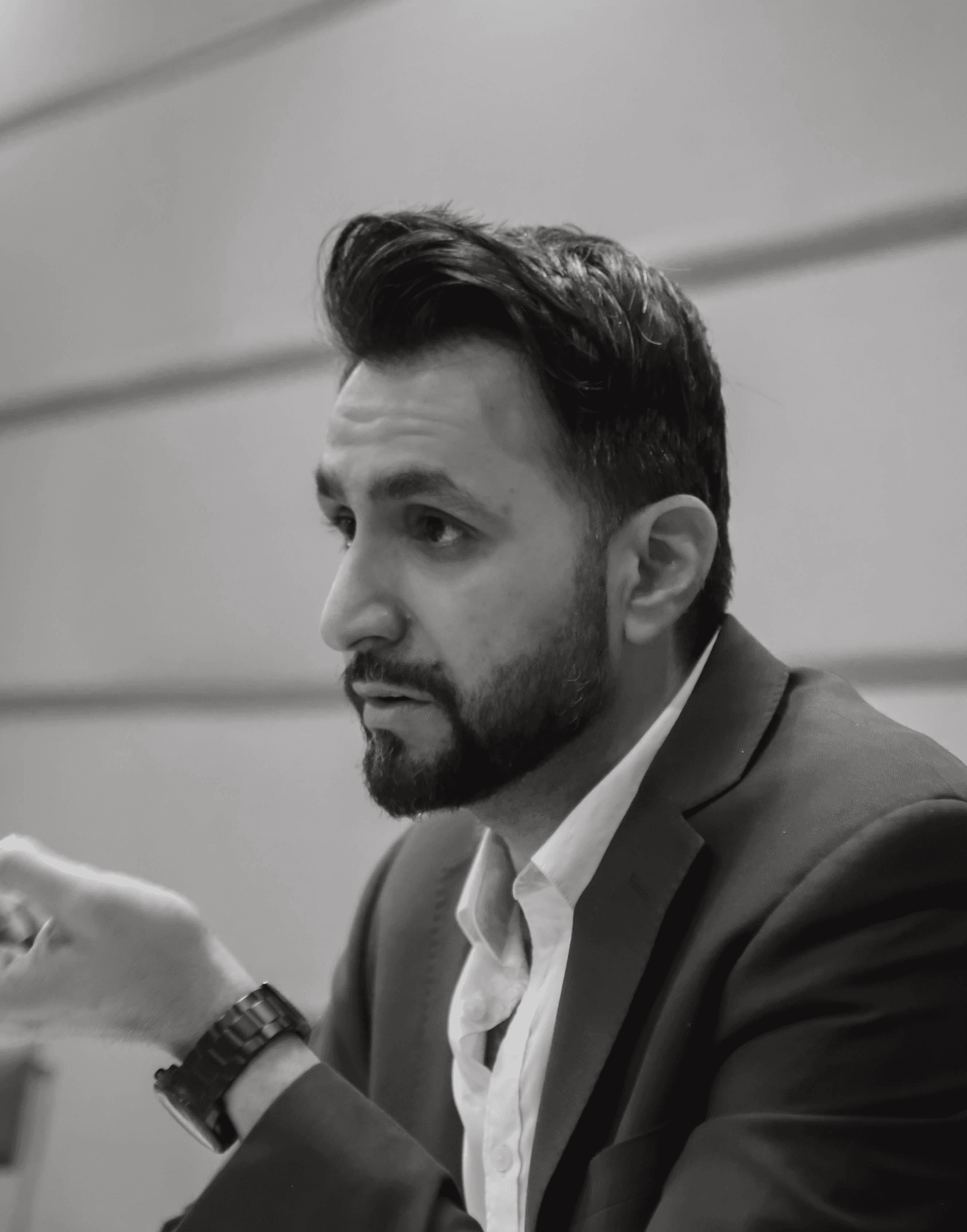
Saad is a Muslim scientist, clinician, father, husband, and friend who has spent years working at the intersection of human health and behavior and faith. Through his scientific training and his involvement in Islamic leadership programs in the United States, he repeatedly encountered the same gap: professional mental-health support often lacks spiritual meaning, while religious spaces rarely offer psychologically grounded guidance—and for many people, integrated help is simply unavailable. This realization led Saad into extensive research exploring how the Qur’an addresses human emotions, behavior, and healing in ways that align with scientific principles. The result is a framework that brings science and Qur’anic wisdom together under one roof, offering people clear, evidence-based, and faith-anchored guidance without forcing them to choose between belief and mental health.

About Trainer

Saad is a Muslim scientist, clinician, father, husband, and friend who has spent years working at the intersection of human health and behavior and faith. Through his scientific training and his involvement in Islamic leadership programs in the United States, he repeatedly encountered the same gap: professional mental-health support often lacks spiritual meaning, while religious spaces rarely offer psychologically grounded guidance—and for many people, integrated help is simply unavailable. This realization led Saad into extensive research exploring how the Qur’an addresses human emotions, behavior, and healing in ways that align with scientific principles. The result is a framework that brings science and Qur’anic wisdom together under one roof, offering people clear, evidence-based, and faith-anchored guidance without forcing them to choose between belief and mental health.

About Trainer

Saad is a Muslim scientist, clinician, father, husband, and friend who has spent years working at the intersection of human health and behavior and faith. Through his scientific training and his involvement in Islamic leadership programs in the United States, he repeatedly encountered the same gap: professional mental-health support often lacks spiritual meaning, while religious spaces rarely offer psychologically grounded guidance—and for many people, integrated help is simply unavailable. This realization led Saad into extensive research exploring how the Qur’an addresses human emotions, behavior, and healing in ways that align with scientific principles. The result is a framework that brings science and Qur’anic wisdom together under one roof, offering people clear, evidence-based, and faith-anchored guidance without forcing them to choose between belief and mental health.

Session Flow (150 Minutes)

5 minutes

Arrival, Safety & Orientation

Welcome and grounding

Welcome and grounding

How the session will work

How the session will work

Group boundaries: choice, confidentiality, group etiquette,

and consent

Group boundaries: choice, confidentiality, group etiquette,

and consent

What’s expected:

Listen, settle, and orient inward. No preparation needed.

Listen, settle, and orient inward. No preparation needed.

15 minutes

Author & People Introduction – Why Story Matters

My story, and why this book was written

My story, and why this book was written

Why your story matters and how to begin decoding it

Why your story matters and how to begin decoding it

How personal and collective stories shape emotional patterns

How personal and collective stories shape emotional patterns

Brief participant introductions (name only or short intention)

Brief participant introductions (name only or short intention)

What’s expected:

Presence and listening. Speaking is optional.

Presence and listening. Speaking is optional.

35 minutes

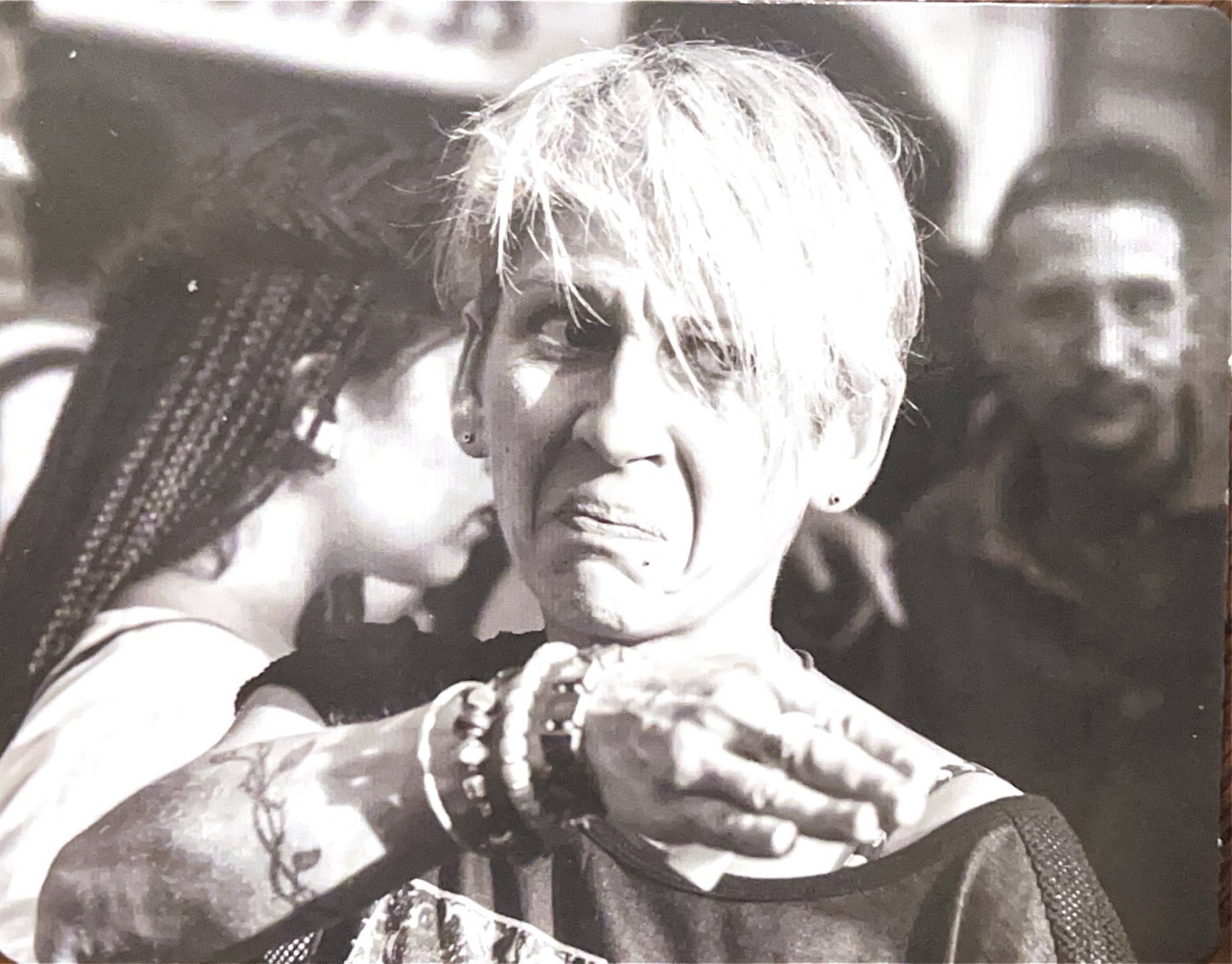
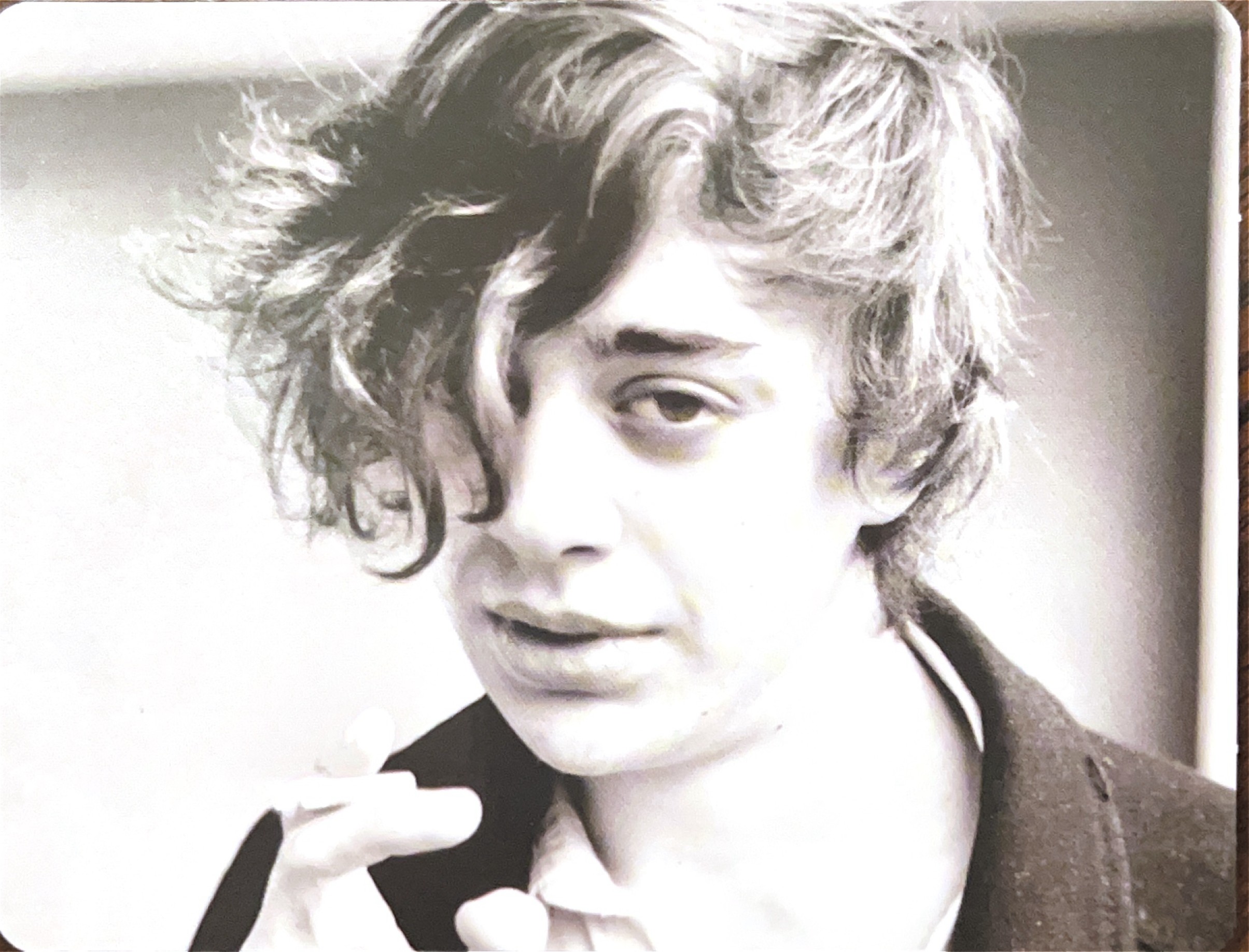
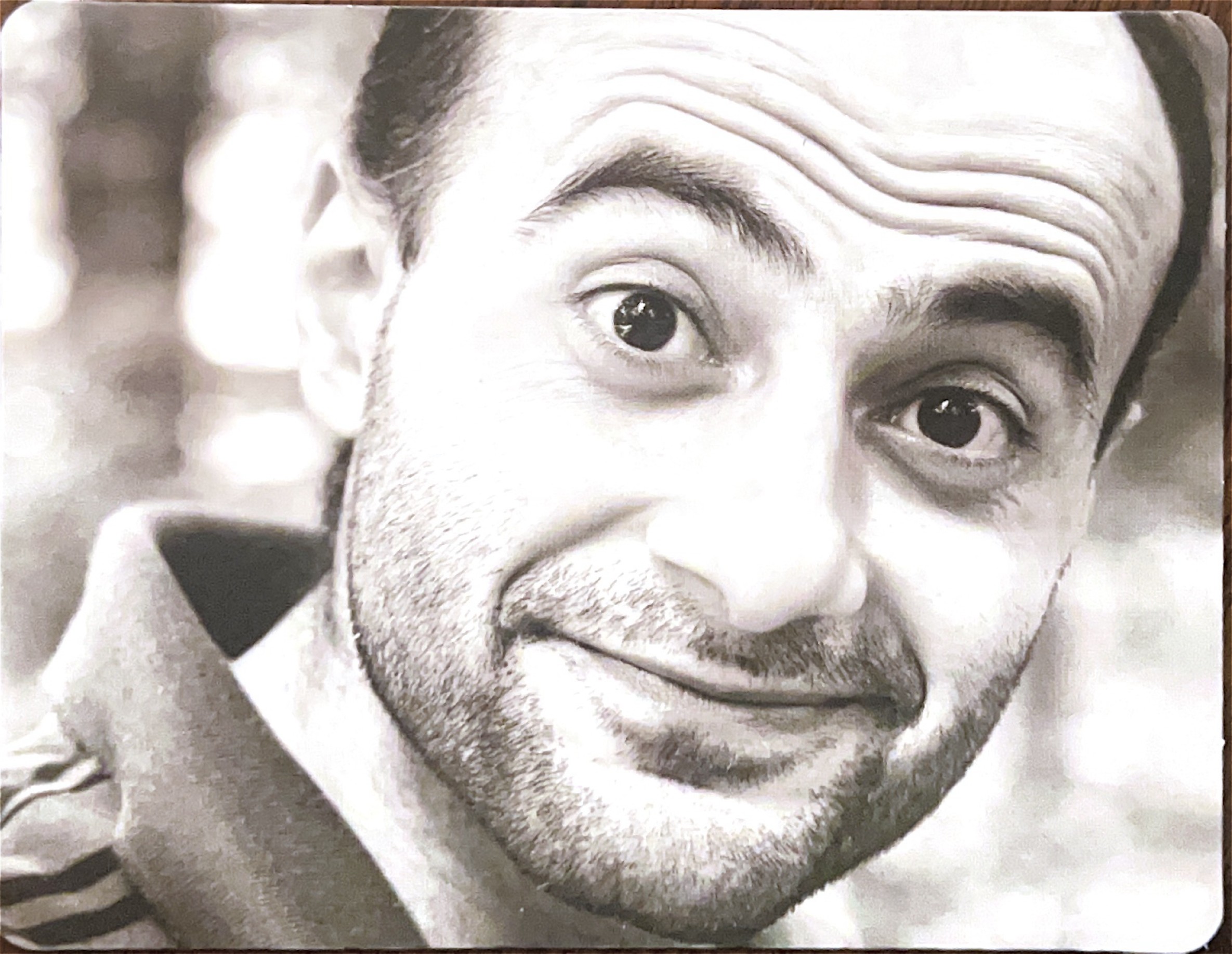
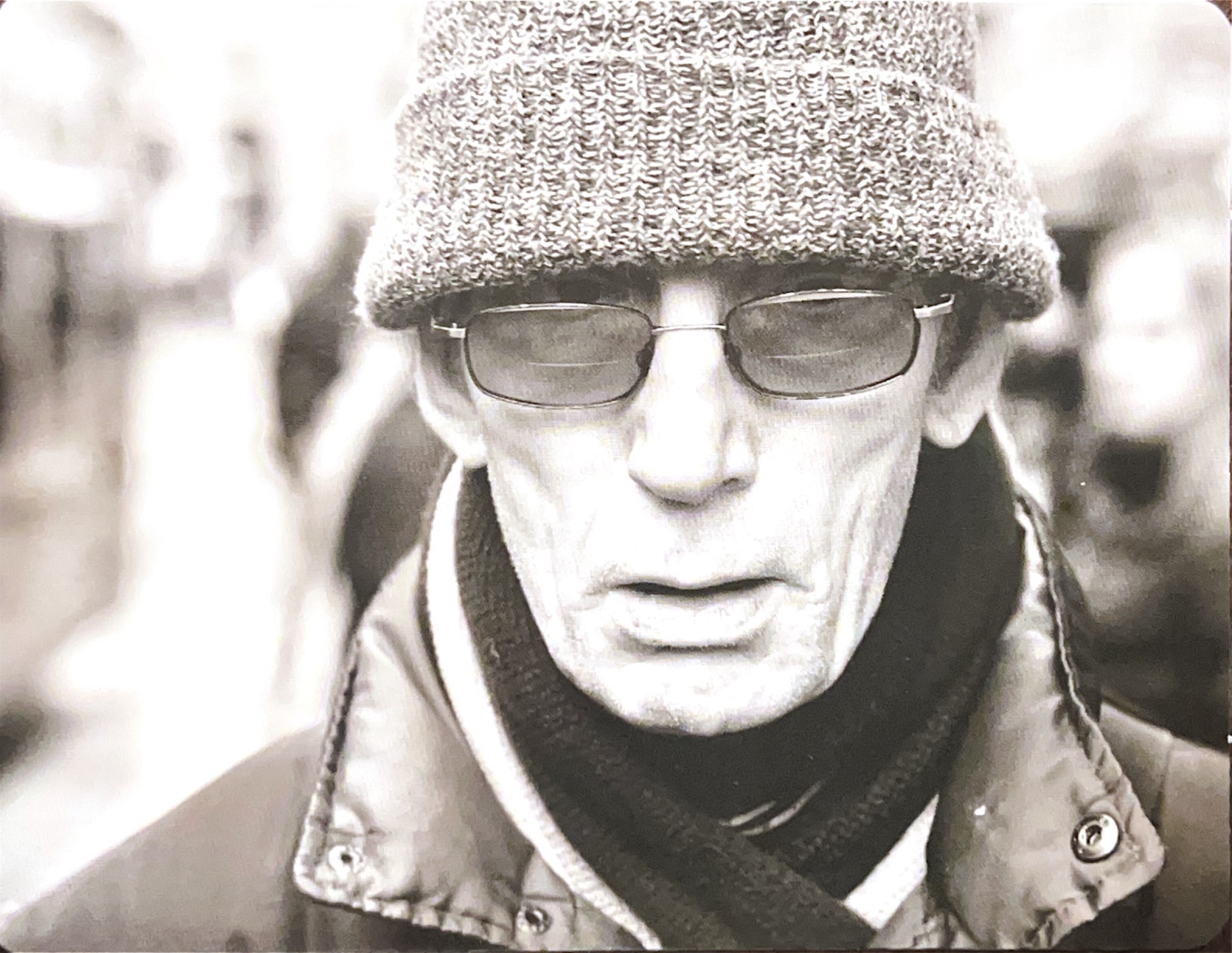
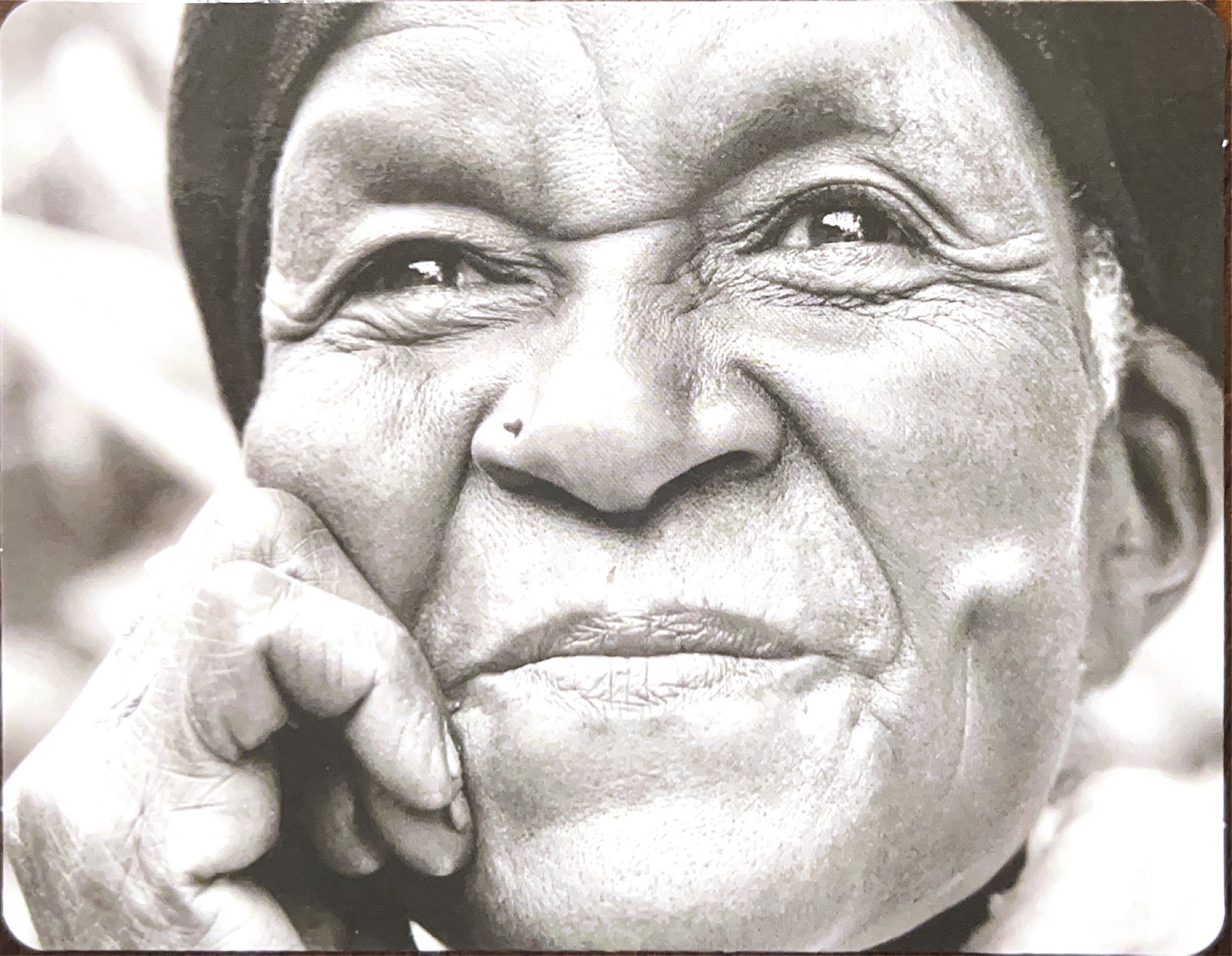
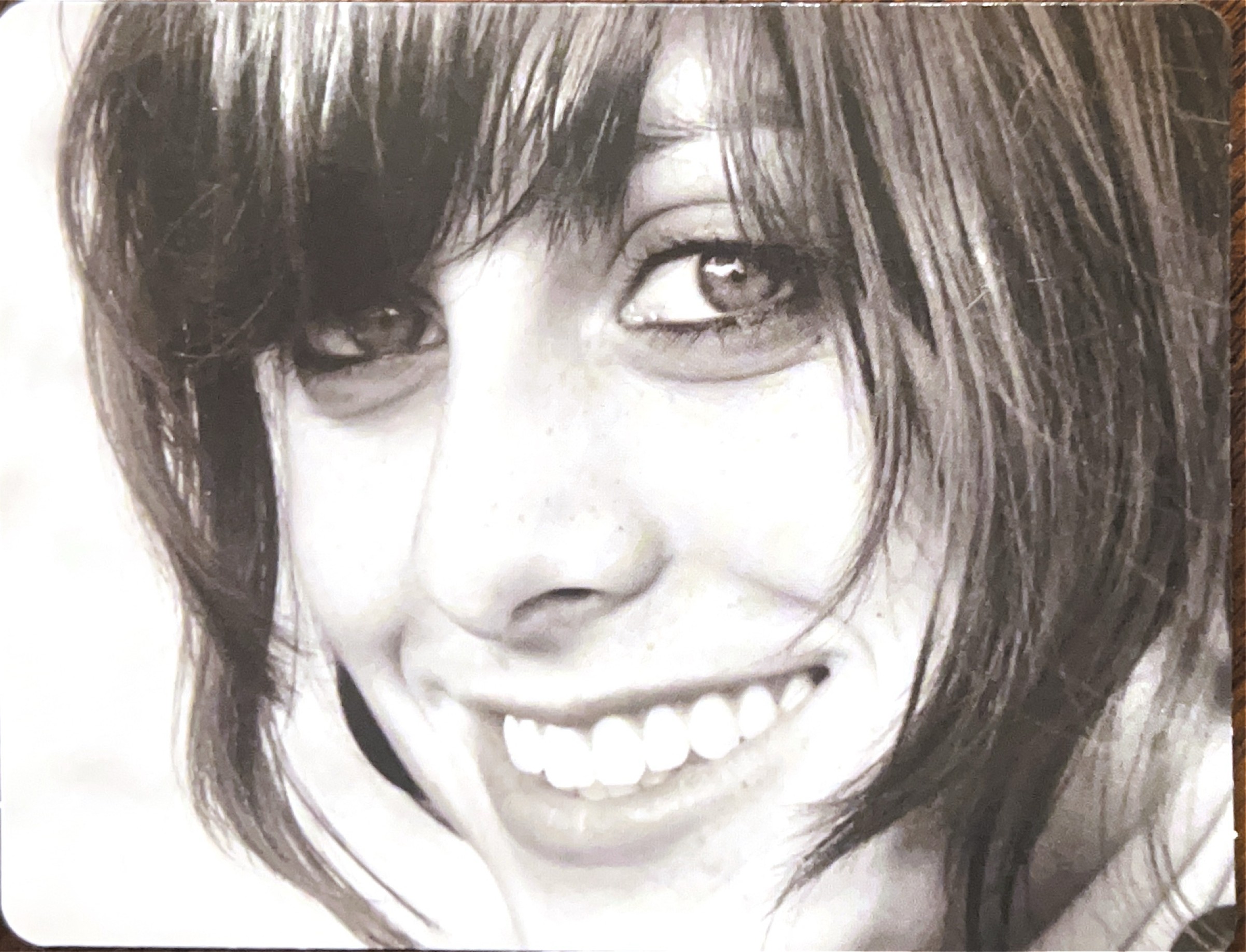
Your Emotions & Your Story (Phototherapy)

Helping emotions surface safely, without analysis

Helping emotions surface safely, without analysis

Introduction to phototherapy and visual processing

Introduction to phototherapy and visual processing

Why images access emotion faster than words

Why images access emotion faster than words

Participants select one image card that resonates emotionally.

Participants select one image card that resonates emotionally.

Guided prompts:

What emotion is present?

What emotion is present?

Where does it show up in your life?

Where does it show up in your life?

What might it be asking for attention?

What might it be asking for attention?

Why this method:

Visual stimuli bypass mental defenses and invite emotional openness.

Over 60% of the brain processes visual information, making this a powerful tool for awareness and learning.

Visual stimuli bypass mental defenses and invite emotional openness.

Over 60% of the brain processes visual information, making this a powerful tool for awareness and learning.

What’s expected:

Individual reflection. No interpretation. No fixing.

Individual reflection. No interpretation. No fixing.

30 minutes

WIGWYT Framework — Psychology & Qur’anic Meaning

How emotions are described in the Qur’an

How emotions are described in the Qur’an

How psychology interprets the same emotional states

How psychology interprets the same emotional states

Side-by-side comparison

Side-by-side comparison

How belief, action, and embodied emotions interact

How belief, action, and embodied emotions interact

What’s expected:

 Listening, note-taking and internal connection.

 Listening, note-taking and internal connection.

35 minutes

Deep Dive into Group Discussion

Identifying the most commonly chosen emotion

Identifying the most commonly chosen emotion

How this emotion appears in daily life

How this emotion appears in daily life

Its Qur’anic meaning

Its Qur’anic meaning

Its psychological function

Its psychological function

What an aligned response looks like

What an aligned response looks like

What’s expected:

Gentle group reflection. Optional sharing.
Resonance, insight, optional contribution.

Gentle group reflection. Optional sharing.
Resonance, insight, optional contribution.

20 minutes

Integration, Reflection & Q&A

What shifted in how I see this emotion?

What shifted in how I see this emotion?

What feels clearer now?

What feels clearer now?

Open Q&A

Open Q&A

Shared learning and relearning through group presence

Shared learning and relearning through group presence

What’s expected:

Reflection and questions. Sharing is optional.

Reflection and questions. Sharing is optional.

5 minutes

Closing & What Comes Next

Closing reflections

Closing reflections

Next steps

Next steps

What’s expected:

Reflection and questions. Sharing is optional.

Reflection and questions. Sharing is optional.

Methodology approach

Phototherapy combined using Quranic Research

Phototherapy combined using Quranic Research

Less thinking and more reflections on feelings

Less thinking and more reflections on feelings

Individual reflection held within group presence

Individual reflection held within group presence

No trauma labels, no forced disclosure

No trauma labels, no forced disclosure

© Saad khan Lab

2026

All rights reserved.

© Saad khan Lab

2026

All rights reserved.

© Saad khan Lab

2026

All rights reserved.